Introduction
Polycystic Ovary Syndrome (PCOS) is now one of the most common hormonal conditions affecting women worldwide. Many people develop it slowly and may not recognise the early signs.
PCOS often starts quietly. Early symptoms — irregular periods, unexplained weight gain, acne or excess facial hair — can appear mild and be overlooked. But PCOS is more than irregular cycles or fertility challenges: it is a complex hormonal disorder that affects physical health, emotional wellbeing, and long‑term lifestyle.
Is PCOS a new disease? No. Greater awareness, better diagnostic practices, lifestyle changes, and environmental factors all influence the number of diagnosed cases. The good news: with appropriate medical care and lifestyle changes, many people with PCOS lead healthy, active lives.
This article explains PCOS in plain language, outlines common symptoms and risks, and offers practical management tips to help young women take charge of their health.
What is PCOS?
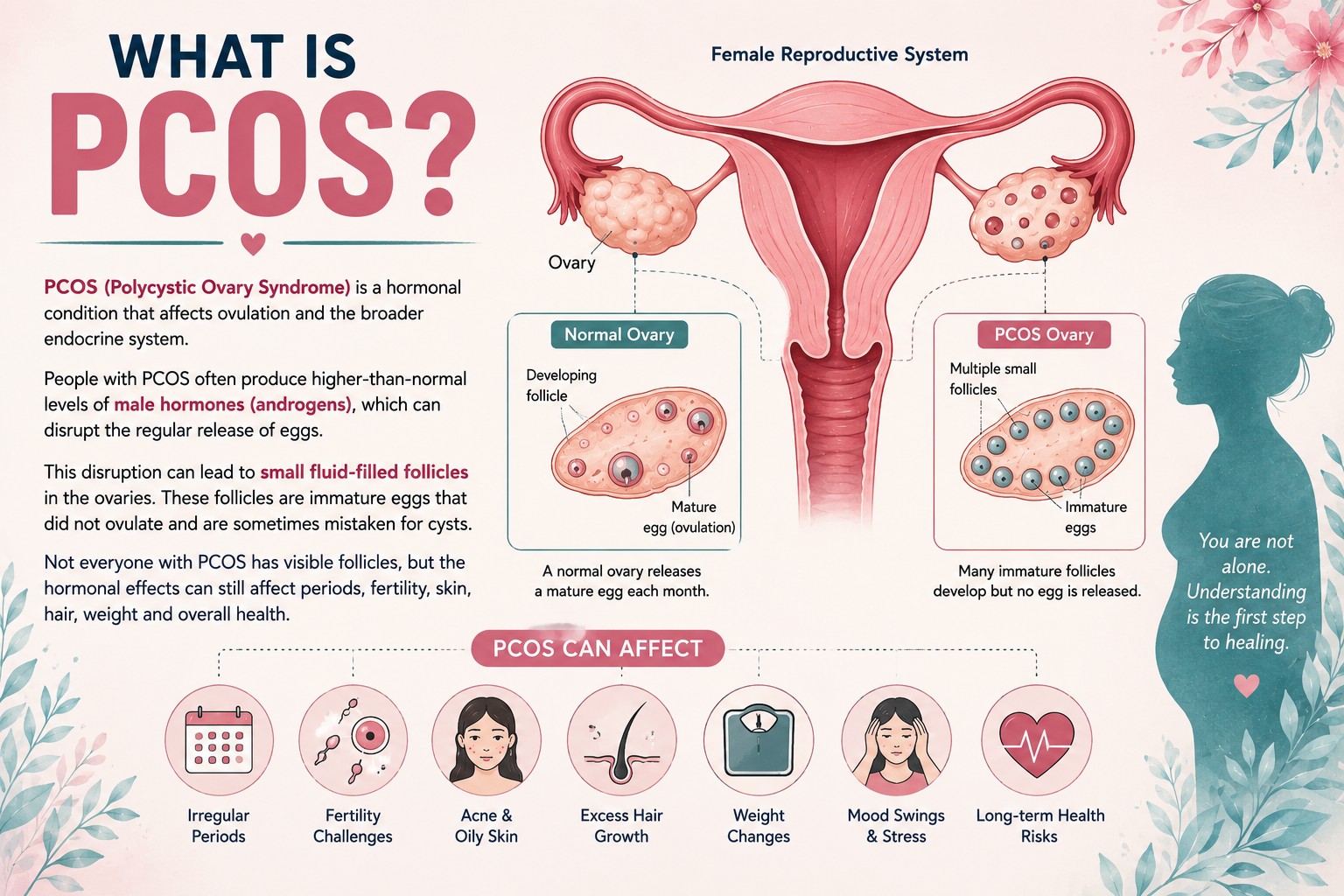
PCOS (Polycystic Ovary Syndrome) is a hormonal condition that affects ovulation and the broader endocrine system. People with PCOS often produce higher-than-normal levels of male hormones (androgens), which can disrupt the regular release of eggs.
This disruption can lead to small fluid‑filled follicles in the ovaries. These follicles are immature eggs that did not ovulate and are sometimes mistaken for cysts. Not everyone with PCOS has visible follicles, but the hormonal effects can still affect periods, fertility, skin, hair, weight and overall health.
Why PCOS is more than a fertility condition
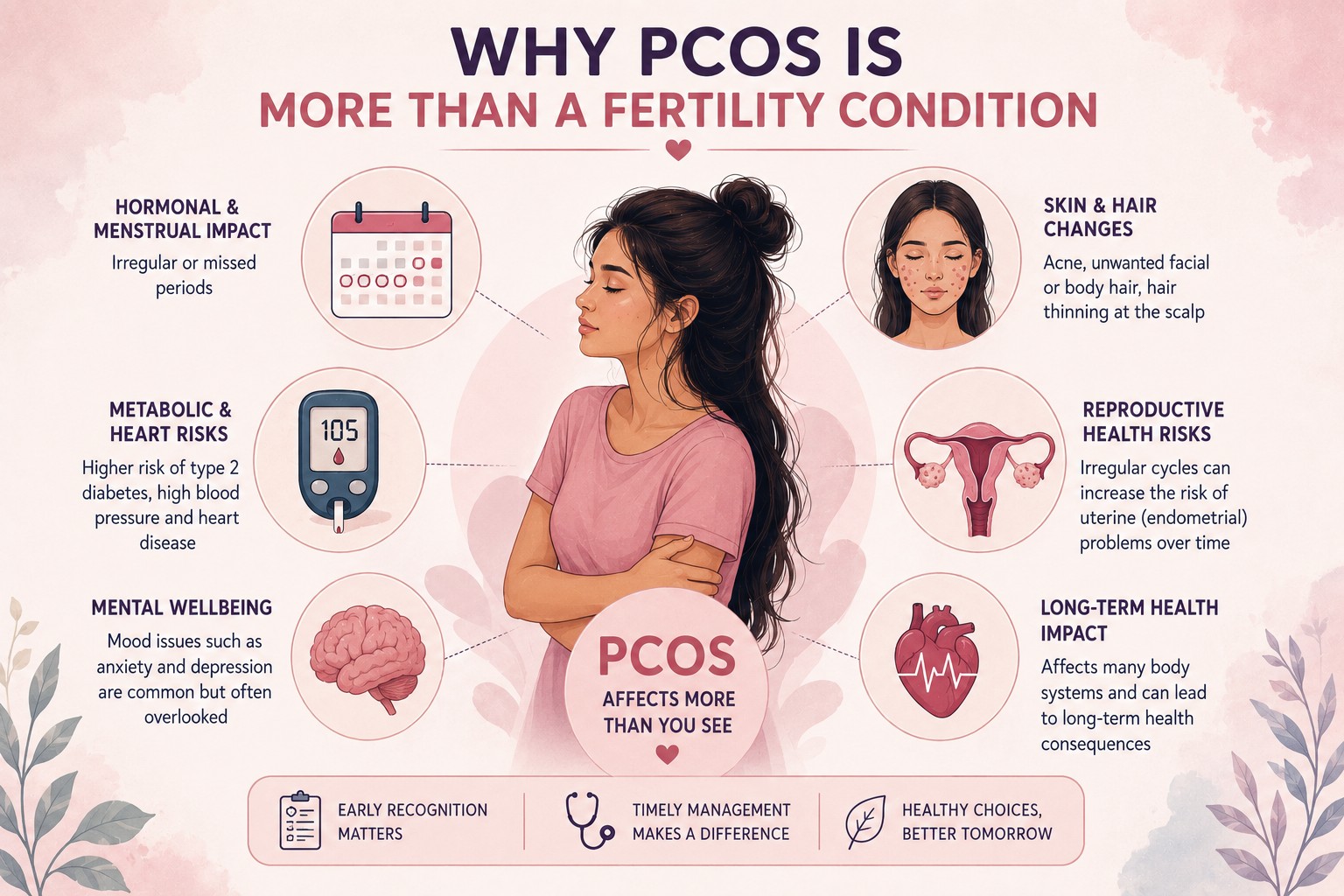
PCOS affects many body systems beyond reproduction:
- Irregular menstrual cycles, acne, unwanted facial or body hair, and hair thinning at the scalp.
- Higher risk of type 2 diabetes, high blood pressure and heart disease.
- Irregular cycles can increase the risk of uterine (endometrial) problems over time.
- Mood issues such as anxiety and depression are common but often overlooked.
Because PCOS can have long‑term health effects, early recognition and management matter.
Common symptoms every young woman should watch for
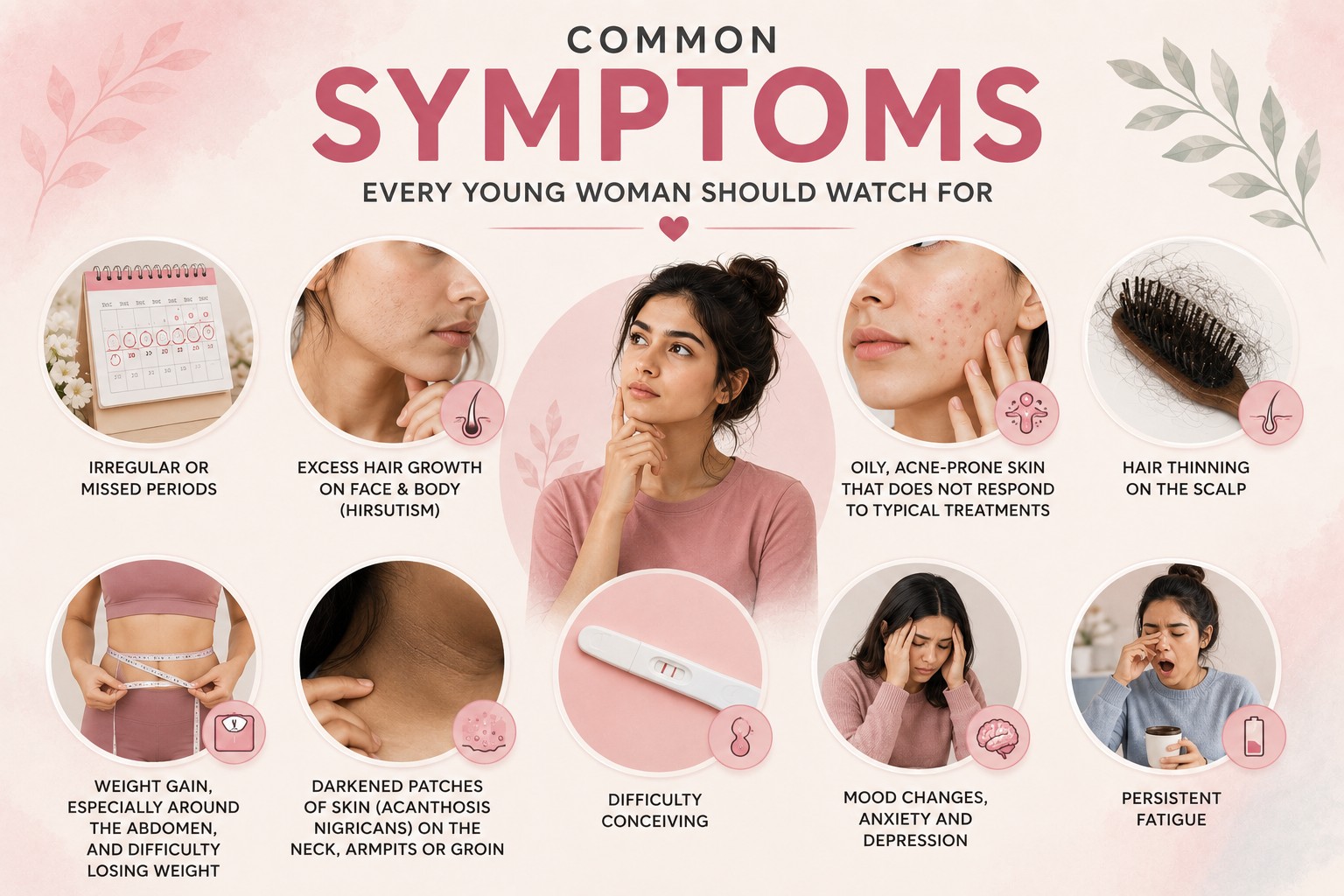
Symptoms differ between individuals; common signs include:
- Irregular or missed periods
- Excess hair growth on face and body (hirsutism)
- Oily, acne‑prone skin that does not respond to typical treatments
- Hair thinning on the scalp
- Weight gain, especially around the abdomen, and difficulty losing weight
- Darkened patches of skin (acanthosis nigricans) on the neck, armpits or groin
- Difficulty conceiving
- Mood changes, anxiety and depression
- Persistent fatigue
Many of these overlap with normal teenage or lifestyle changes, which can delay diagnosis.
Why PCOS is becoming more common
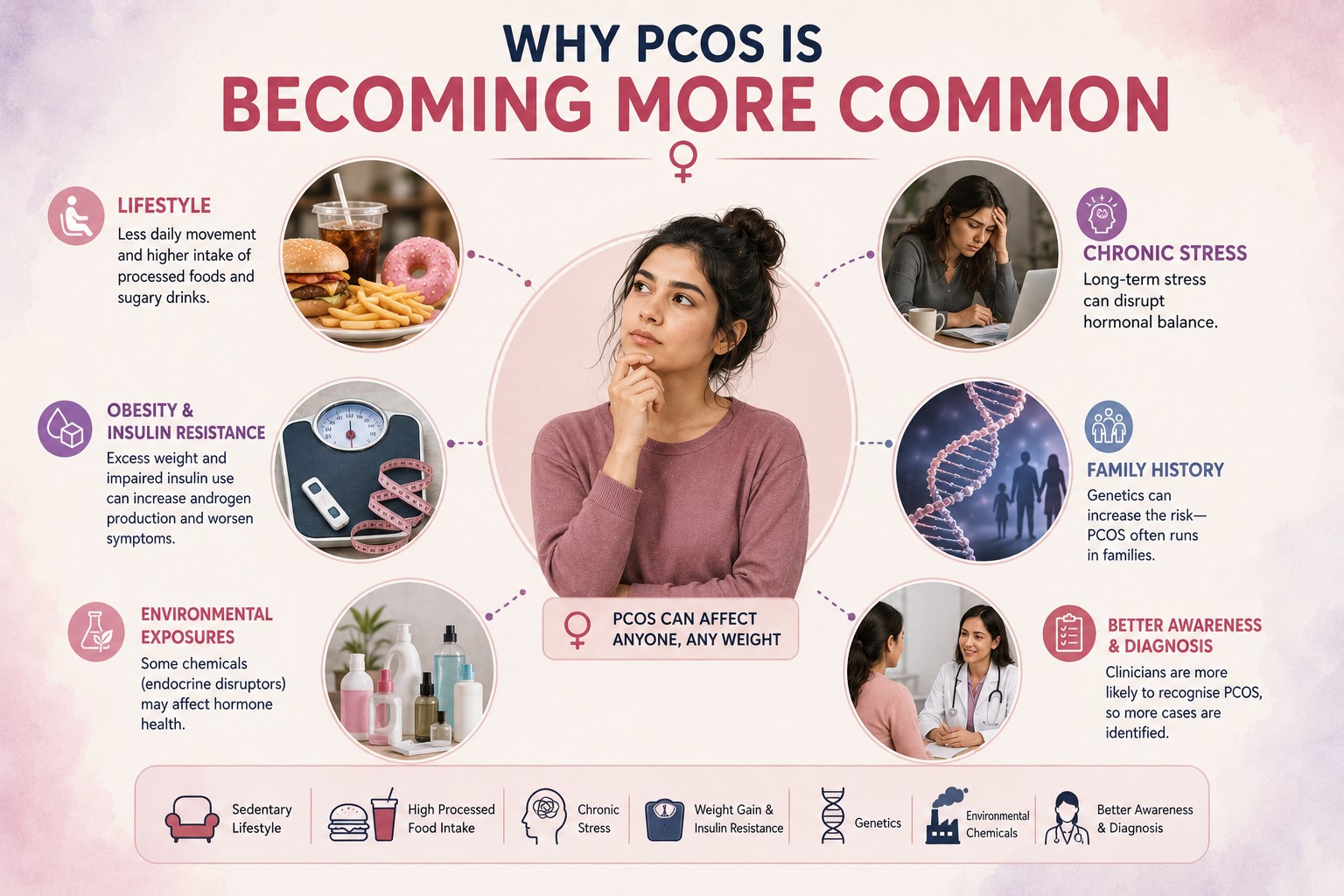
Several factors likely contribute to the apparent rise in PCOS diagnoses:
- Lifestyle: Less daily movement and higher intake of processed foods and sugary drinks.
- Chronic stress: Long‑term stress can disrupt hormonal balance.
- Obesity and insulin resistance: Excess weight and impaired insulin use can increase androgen production and worsen symptoms. However, PCOS can affect people at any weight.
- Family history: Genetics can increase the risk—PCOS often runs in families.
- Environmental exposures: Some chemicals (endocrine disruptors) may affect hormone health.
- Better awareness and diagnosis: Clinicians are more likely to recognise PCOS, so more cases are identified.
Managing PCOS — lifestyle is the foundation
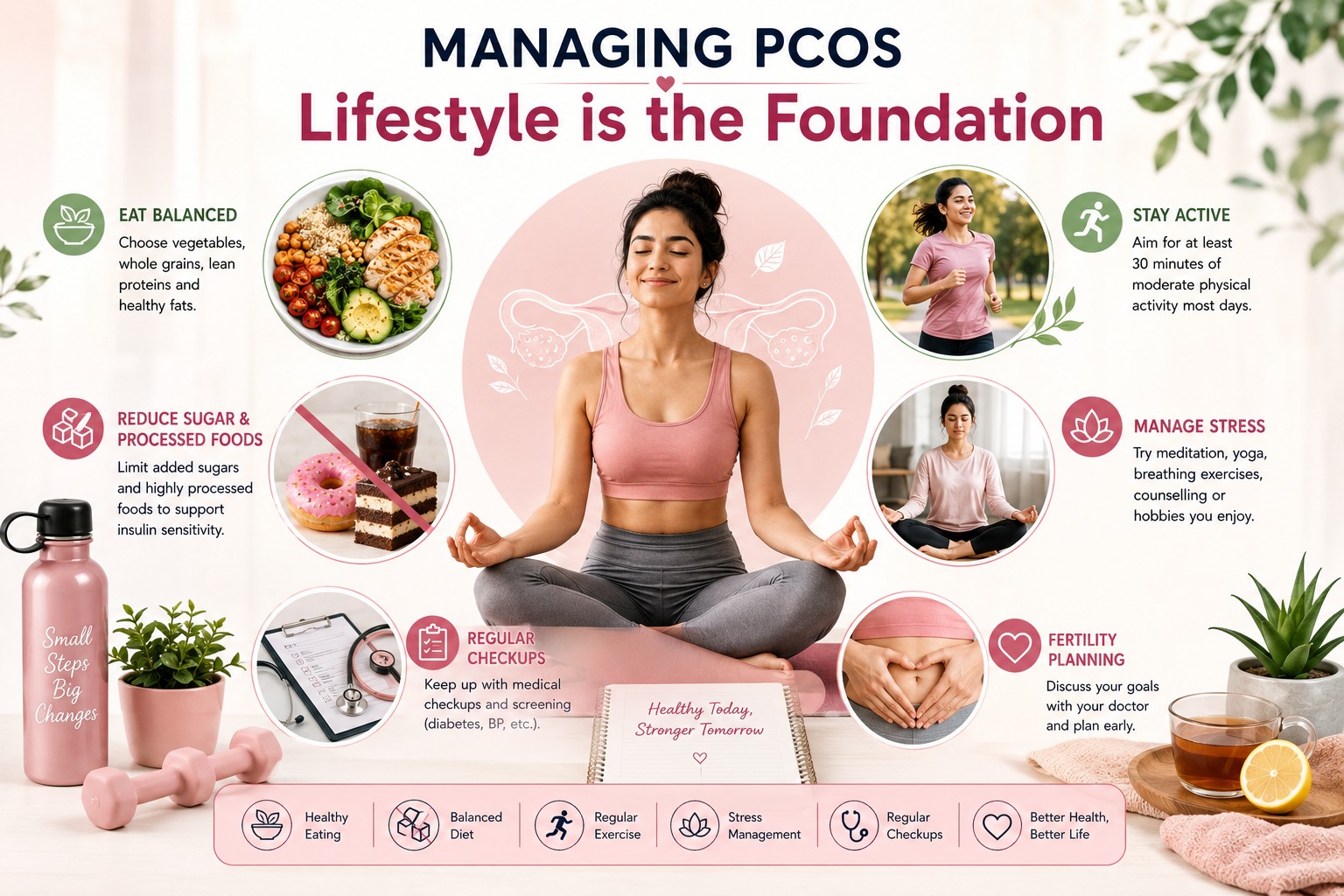
While there is no single cure, lifestyle changes and medical care can greatly improve symptoms:
- Follow a balanced diet with vegetables, whole grains, lean proteins and healthy fats.
- Reduce added sugars and highly processed foods to support insulin sensitivity.
- Aim for at least 30 minutes of moderate physical activity most days.
- Use stress‑management tools: meditation, yoga, counselling, breathing exercises or enjoyable hobbies.
- Keep regular medical checkups for screening (e.g., diabetes, blood pressure) and discuss fertility planning if needed.
Frequently asked questions
Can women with PCOS become pregnant?
Yes. Many people with PCOS have healthy pregnancies. Early diagnosis, lifestyle changes and appropriate medical care can improve fertility outcomes.
Is PCOS caused only by being overweight?
No. People of any body weight can develop PCOS.
Is PCOS a lifelong condition?
PCOS is typically a long‑term condition, but symptoms can be managed effectively with lifestyle changes and medical care.
Is PCOS the same for every woman?
No. Symptoms and severity vary widely between individuals.
Is PCOS dangerous?
PCOS itself is not immediately life‑threatening, but untreated PCOS can increase the risk of diabetes, heart disease and reproductive health issues.
A short message to young women
If you notice irregular cycles, sudden weight gain, persistent acne or excess hair growth—please seek medical advice. Early help improves long‑term outcomes. With the right care and healthy habits, you can lead a full, active life.
Final thoughts
The silent rise of PCOS is a reminder that hormones are closely linked to lifestyle and wellbeing. Small daily habits, regular checkups and patience can manage symptoms effectively. The sooner you act, the better your chances of living a healthy, confident life.